Deepfake Detection in Identity Verification
Deepfakes have made identity verification a higher-value target for fraudsters. Effective defenses combine liveness checks with controls that detect synthetic media injection, assess device signals and continuously adapt to new attack methods.
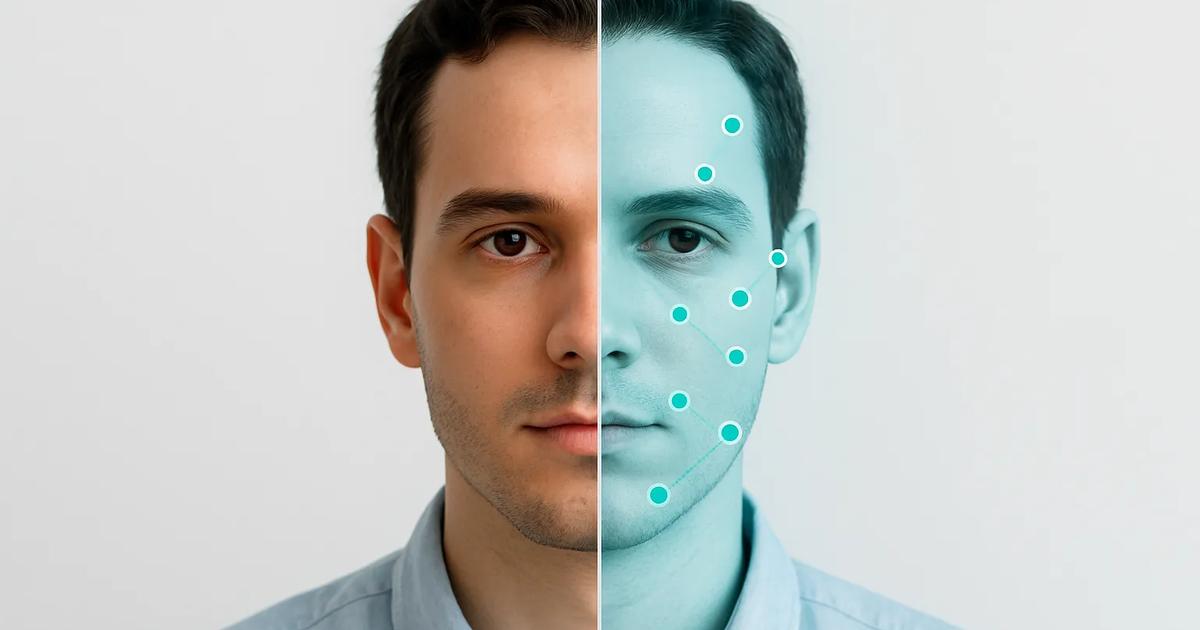
Deepfakes, meaning AI-generated or AI-altered images, video and audio, are changing the threat model for digital identity verification. A fraudster may use them to open an account with a stolen identity, take over an existing account or defeat a check intended to prove that a real person is present.
The challenge is not simply identifying an unrealistic face. Modern attacks can combine a convincing synthetic portrait, a real document image and a compromised device. Identity verification providers therefore need to assess the full verification session, from image capture to the signals surrounding it.
What deepfakes and injection attacks are
A deepfake is media produced or materially modified with machine learning. In identity verification, that can include a generated face, a face swap placed over a live camera feed, video reenactment, or a cloned voice used in a video or call-based process. The quality of attacks varies widely, but even imperfect media can succeed where controls are weak or human reviewers are under time pressure.
An injection attack occurs when an attacker supplies media directly to an app, browser or verification service instead of capturing it through the intended camera path. For example, an attacker may use a virtual camera, altered mobile application, device emulator or automation framework to submit a pre-recorded or synthetic video. This differs from a presentation attack, in which someone holds a printed photo or plays a video on a screen in front of a genuine camera.
The distinction matters because a camera-focused liveness check may detect a screen replay but never see evidence that a virtual camera replaced the capture stream. Attackers can also manipulate document images, reuse prior submissions, or intercept data between the client application and a service if the implementation is poorly protected.
Why identity verification is a target
Identity verification is often the gate to financial accounts, payments, cryptocurrency services, age-restricted products, marketplaces, gig-work platforms and government-related services. Passing the check can give criminals access to money, credit, personal data or a trusted account from which to defraud others.
Stolen identity data is readily reused, while synthetic media can make that data appear connected to a live applicant. This is especially relevant to new-account fraud and account recovery, where organizations may have fewer behavioral signals than they do for an established customer. Requirements such as customer due diligence and anti-money-laundering controls raise the value of a successful bypass because the verification result may be relied upon across a broader risk process.
How detection works
No single signal reliably separates every real person from every attack. Strong systems layer several types of evidence and calibrate the result to the risk of the transaction. A low-risk age check and a high-value bank account opening should not necessarily use the same thresholds or review process.
Liveness and presentation-attack detection
Liveness detection tests whether the submission represents a physically present person rather than a photograph, display replay, mask or other artifact. Passive liveness analyzes cues in ordinary capture, such as image texture, depth-related information and motion patterns. Active liveness asks the user to perform an unpredictable action, such as turning their head or following an on-screen prompt. Active challenges can raise friction and are not a complete answer to real-time face swaps or injected feeds.
Injection detection
Injection detection examines whether the media originated from an expected camera and application environment. Techniques can look for inconsistencies in capture pipelines, camera and sensor behavior, frame timing, rendering artifacts, application integrity and cryptographic protections around the session. On mobile devices, attestation can help a relying organization assess whether an app is running on an authentic, uncompromised environment, although it is a risk signal rather than proof of legitimacy.
Device, network and metadata signals
Services also evaluate context. Metadata is descriptive information attached to a file or session, such as capture time, camera characteristics or software history. It can be useful, but it is easy to remove or alter and should not be trusted alone. Device reputation, IP address patterns, geolocation consistency, repeated use of a device, network anonymization and signs of automation can help identify coordinated fraud.
- Document and selfie consistency, including whether the portrait resembles the applicant and whether document security features appear intact.
- Capture-path integrity, including resistance to virtual cameras, altered applications and replayed media.
- Session behavior, such as unusually fast completion, repeated failed attempts or many identities linked to one device.
- Risk-based escalation, including a second factor, a fresh capture, trained human review or a declined transaction when signals conflict.
The fraud arms race
Detection is an adversarial problem. As providers train models to recognize visible artifacts, generative tools improve their output and attackers test methods against consumer and commercial verification flows. Criminal groups can also buy stolen documents, use mule networks and distribute attacks across devices and accounts, reducing the value of any one detection signal.
This does not mean deepfakes are undetectable. It means benchmark results and vendor claims should be interpreted carefully. Performance can change with the attack type, camera quality, geography, accessibility needs and the age of the model. Independent testing, attack simulation and monitoring of real production outcomes are more informative than a single accuracy figure.
What good defense looks like today
A sound program combines secure capture, liveness and injection controls, document verification, device intelligence and transaction monitoring. It uses multiple independent signals, records enough evidence for audit and investigation, and sends ambiguous or high-risk cases to an appropriate review path. It should also limit retries, detect repeat attempts and protect the verification API and client application against tampering.
Organizations should test against current presentation and injection attacks, update models and rules regularly, and measure false accepts alongside false rejects. False rejects can exclude legitimate users, particularly people with older devices, disabilities or unusual capture conditions. In the US and EU, teams must also apply data minimization, clear notices, retention limits, security controls and applicable biometric and privacy rules. The objective is not to promise perfect deepfake detection. It is to make fraudulent verification materially harder, more expensive and more visible.