Money Mule Accounts: How Fraudsters Rent Real Identities
Money mule schemes turn legitimate bank accounts into temporary channels for stolen money. Because the account holder’s identity is genuine, the most important warning signs often emerge only after onboarding.
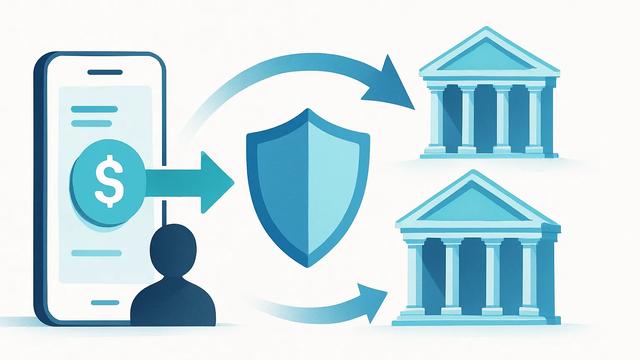
A money mule is a person whose bank or payment account is used to receive and move criminal proceeds. Some know they are helping fraudsters. Others are drawn in by fake job offers, romance scams, social-media contacts or promises of easy commissions, and may not understand that the money came from a victim.
The model is sometimes described as renting real identities. In practice, criminals are usually gaining access to a real person’s account, card or payment credentials, or persuading that person to make transfers on their behalf. That distinction matters for identity verification: the customer may be exactly who they claim to be, while the account is being misused after it is opened.
A real identity can pass legitimate checks
Banks and fintechs use identity verification, or IDV, to establish that an applicant is a real person and to assess whether the identity document, selfie, device and other evidence are consistent. These controls can stop many forms of account opening fraud, including applications based on stolen or fabricated identities.
Money mule activity exposes a different weakness. A customer who opens an account in their own name can pass document and biometric checks cleanly. Even a strong check that confirms the customer is present at onboarding cannot necessarily predict whether they will later share access, follow a criminal’s instructions or accept suspicious transfers.
This does not make onboarding controls irrelevant. Firms can still identify obvious inconsistencies, repeat applicants, synthetic identity indicators and links to known fraud infrastructure. But mule detection is chiefly a transaction-monitoring and behavioral-risk problem. It requires institutions to reassess risk throughout the customer relationship rather than treating verification as a one-time event.
What suspicious activity can look like
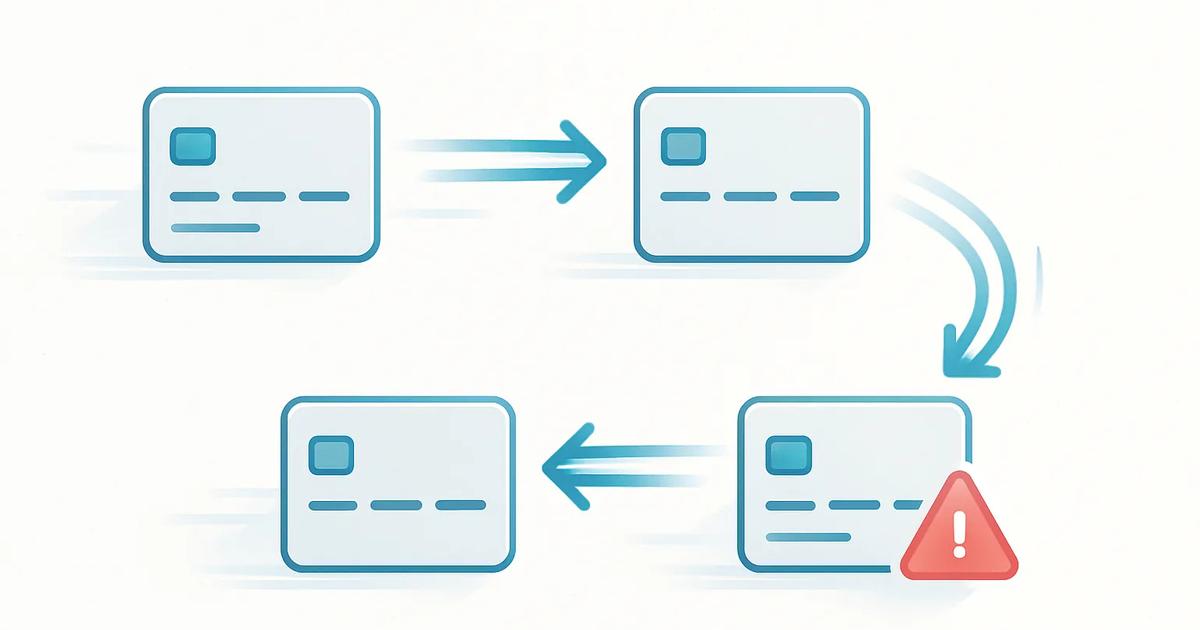
Mule accounts often serve as short-lived pass-through points. Funds from an authorized-push-payment scam, account takeover or other fraud may arrive, then be sent onward quickly to another account, withdrawn as cash, converted into cryptoassets or used to buy goods that can be resold. A single transaction is rarely conclusive. Banks weigh the full context and seek to avoid treating ordinary customers as criminals on weak evidence.
Common signals reviewed by fraud and financial-crime teams include:
- Sudden incoming payments that are inconsistent with the account’s prior activity, followed quickly by transfers to new beneficiaries or cash withdrawals.
- Logins, payment instructions or account-recovery attempts from unfamiliar devices, locations or network patterns, particularly when they coincide with a change in transaction behavior.
- Multiple accounts sending money through similar routes, using common devices or beneficiaries, or showing repeated timing and amount patterns.
- New accounts that rapidly begin receiving third-party payments, especially where explanations of the underlying purpose do not match the observed activity.
These indicators can also have innocent explanations. A worker may receive a first salary payment, a family may move money after a property sale, or a customer may change phones while traveling. Effective systems therefore combine automated detection with proportionate investigation, customer contact where appropriate and clear routes to correct errors.
Recruitment is often disguised as opportunity
Recruiters target people who may need money, including students, newcomers and people facing financial pressure, though anyone can be approached. Fraudsters commonly advertise vague remote work such as payment processing, “financial agent” roles or package reselling. They may offer a percentage of each transfer, ask the recruit to open an account, or instruct them to say that funds are gifts or freelance income if questioned.
Social platforms and encrypted messaging services can make recruitment fast and difficult to trace. In other cases, criminals exploit a victim of another scam, persuading them to receive funds as part of what the victim believes is an investment, relationship or recovery arrangement. The person moving the money may be both a victim and a participant in laundering proceeds, which can complicate enforcement and customer remediation.
The personal consequences are serious
People who act as mules can lose access to banking services. A bank may freeze or close an account, delay or return payments, and end a customer relationship after reviewing suspicious activity. A record of suspected financial crime can make it harder to obtain accounts or credit, although processes and information-sharing rules differ by jurisdiction.
There may also be criminal consequences. Knowingly moving or concealing the proceeds of crime can expose a person to investigation and prosecution under money-laundering or fraud laws. Whether a person is liable depends on the facts, including what they knew or should reasonably have suspected. Those who believe they have been recruited should stop moving funds, preserve messages and payment records, and contact their bank and local law-enforcement or consumer-fraud reporting channel promptly.
Why the burden is shared across the payment chain
Mule networks span banks, payment firms and borders. The institution that sends a fraudulent payment may have the earliest warning that its customer is being deceived. The receiving institution may be best placed to see that the destination account is behaving like a mule account. Delays in communication can allow money to leave the account before a recall or freeze request arrives.
That has intensified debate about the duties of receiving banks, sometimes called beneficiary banks, when they receive suspected fraud proceeds. In the United States and Europe, liability and reimbursement rules vary by payment method and jurisdiction, and policy is still developing. The direction of travel is toward faster intervention, stronger confirmation of payee controls where applicable, and more accountability across the payment chain.
Data sharing is central to that response, but it is not simple. Banks need timely intelligence about suspicious accounts, devices and beneficiary networks, while also complying with privacy, bank-secrecy, due-process and competition rules. Carefully governed information-sharing arrangements, with limits on access and use, can help identify connected mule activity without turning routine customers into permanent suspects.
For IDV providers and financial institutions, the lesson is straightforward: proving that an identity is genuine is necessary, but it is not the end of fraud prevention. Detecting money mules depends on linking trusted onboarding evidence with ongoing monitoring, network analysis and a fair process for customers whose activity is questioned.