The Case Against Storing ID Documents: What a Breach Really Exposes
A scanned passport or driver’s license can remain valuable to criminals long after a breach is disclosed. The central privacy question is not only how well an ID image is protected, but whether it needed to be kept at all.
A copy of a passport, driver’s license or national identity card is not an ordinary customer record. It can contain a full name, date of birth, address, photograph, document number and machine-readable data. In some jurisdictions, it may also reveal a Social Security number or other national identifier. When such files are exposed, the consequences can persist for years.
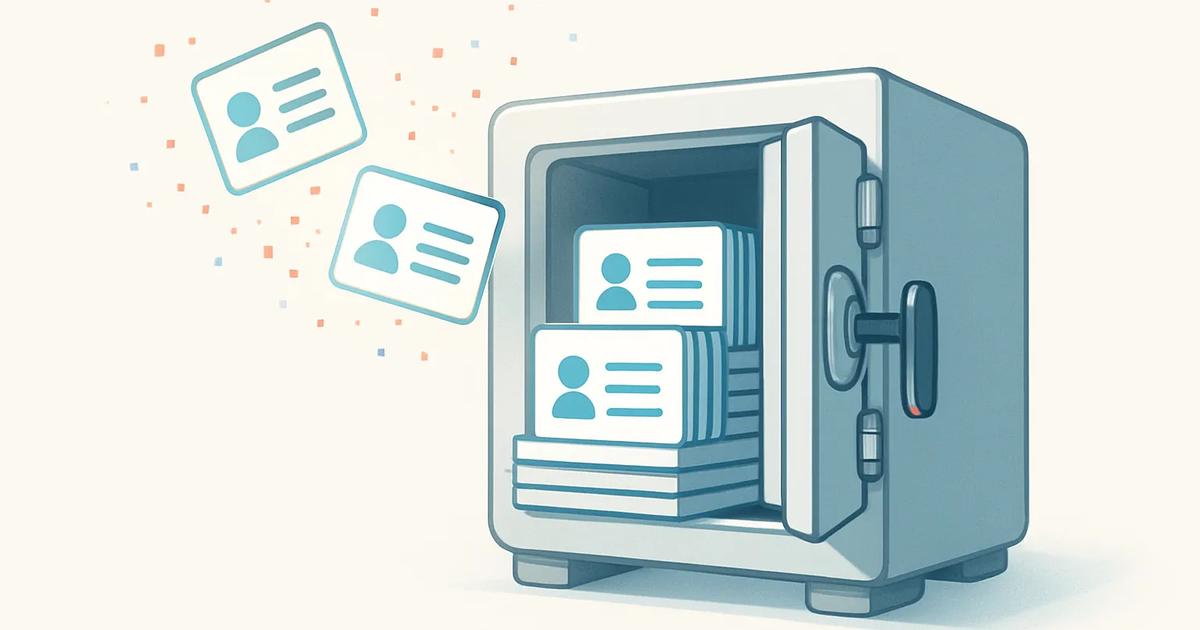
That makes document retention a central design decision for identity verification providers and the organizations that use them. Security controls matter, but a company cannot leak a document image it no longer holds. The most effective breach reduction strategy is often to collect less data and delete it sooner, while still meeting legal, fraud-prevention and operational requirements.
Why document copies create a standing liability
Passwords can be changed after a breach. Payment cards can be replaced. Government-issued identity details generally cannot. A person can obtain a new passport or license number in some circumstances, but their name, date of birth and much of their identity history remain the same. The image itself can also be reused as persuasive evidence in fraud attempts.
Scanned documents are especially sensitive because they bundle data that may otherwise be scattered across separate systems. A fraudster who has a document image, contact details from another breach and a compromised email account may have enough material to defeat weak knowledge-based checks, persuade a support agent, or make a fraudulent application appear credible.
Large incidents involving identity document repositories have established a recurring pattern: attackers target centralized stores holding high volumes of uploaded images and associated application data. The exact harm varies with the records taken and the controls at affected institutions. But notification and credit monitoring do not make exposed document data disappear from criminal markets or private collections.
Verification is not the same as retention
In a verify-and-discard model, a service captures a document, checks its authenticity and links it to a person through automated and, where needed, human review. Once the necessary checks are complete, it deletes the raw image or keeps it only briefly for narrowly defined quality assurance, dispute handling or legal purposes.
In a verify-and-retain model, the service or its customer stores the document image and often related biometric or device data after the decision. There can be legitimate reasons to do this. Financial crime rules, age-assurance obligations, audit requirements, insurance claims or a continuing customer relationship may require evidence to be retained. The question is whether the retained record is necessary, proportionate and subject to a documented retention period.
This distinction reflects a core data-protection principle in Europe: data minimization and storage limitation. Under the EU General Data Protection Regulation, organizations should collect data that are adequate, relevant and limited to what is necessary, and keep them no longer than necessary for the stated purpose. US privacy law is more fragmented, but sectoral rules, state privacy laws and enforcement expectations increasingly point in the same direction: sensitive information should not be held indefinitely simply because storage is inexpensive.
The fraud risk after exposure
A stolen ID image does not automatically let someone open an account or take over an existing one. Strong providers use multiple signals, such as liveness detection, device intelligence, account history and checks against authoritative or trusted data sources. Yet an image can materially improve a criminal’s chances where a process relies heavily on document upload or where manual review is rushed.
One risk is synthetic identity fraud, in which criminals combine genuine personal data, sometimes from several people, with invented details to create a new credit or account profile. Another is account takeover, where an attacker uses personal information to reset credentials, pass a weak recovery process, or convince customer support that they are the legitimate user. Document copies can also support impersonation in rental, employment, marketplace and telecom fraud.
What proportionate practice looks like
A mature identity program separates the evidence used to make a decision from the data needed to record that decision. In many cases, the relying business needs to know that a person passed a particular check at a particular time, not to possess a permanent copy of the passport used in the check.
- Store a verification outcome, such as “document authentic and age over 18 confirmed,” rather than the full document image where that meets the business purpose.
- Use a tokenized reference in downstream systems. Tokenization replaces a sensitive value with a non-sensitive identifier that points to controlled records, limiting the spread of raw data.
- Set short, automated retention periods for images and supporting data, with documented exceptions for legal obligations, fraud investigations and disputes.
- Encrypt documents both in transit and at rest, isolate encryption keys from stored data, and tightly limit staff and vendor access.
- Maintain deletion logs, test retention controls, and ensure backups do not become an unexamined long-term archive of sensitive images.
Encryption is necessary but not a complete answer. It reduces exposure when implemented and operated well, yet attackers may seek access credentials, decryption keys or privileged accounts. Retention minimization reduces the amount available to steal in the first place.
There is no universal rule that every ID image must be deleted immediately. Organizations should map the laws and contractual obligations that apply, explain their retention choices clearly, and distinguish between evidence required for compliance and data retained out of habit. For individuals, the practical questions are similarly direct: why is a copy needed, who receives it, and when will it be deleted? In identity verification, the safest document is often the one that has already served its purpose and is no longer stored.