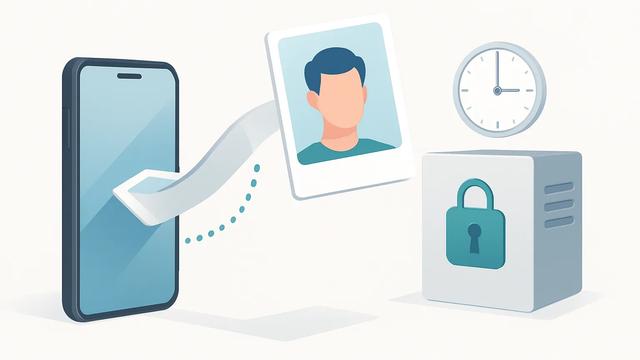
A verification selfie is not simply compared with an ID and discarded. Its path depends on the business requesting the check, the vendor running it, contractual retention settings and laws that may require records to be kept or deleted.
For decades, Playboy has occupied a unique place in adult entertainment, publishing, and popular culture. At Allinid, we believe its history also offers a useful lesson in how adult brands can think about protecting minors.
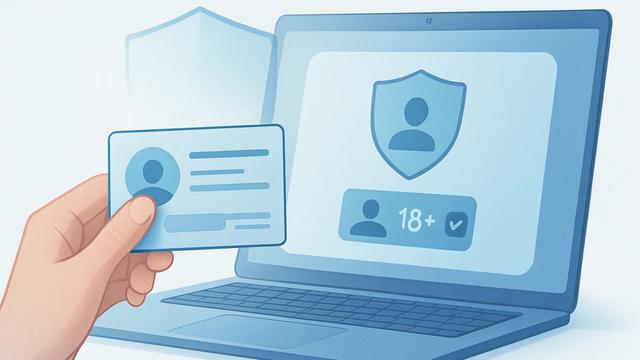
Age checks for pornography are becoming law in parts of the US and the UK. The policy goal is widely shared, but requiring an ID upload can create a permanent privacy risk around a lawful and highly sensitive activity.
At Allinid, we spend a great deal of time examining how adult platforms can protect minors without creating a frustrating experience for legitimate adult customers.
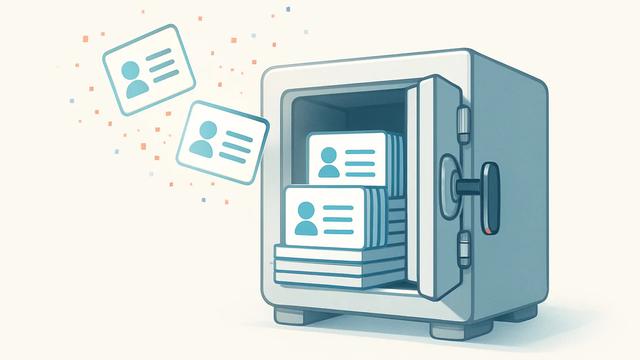
A scanned passport or driver’s license can remain valuable to criminals long after a breach is disclosed. The central privacy question is not only how well an ID image is protected, but whether it needed to be kept at all.
I have watched digital communication services change considerably as people have become more comfortable meeting, talking, and building connections through technology.
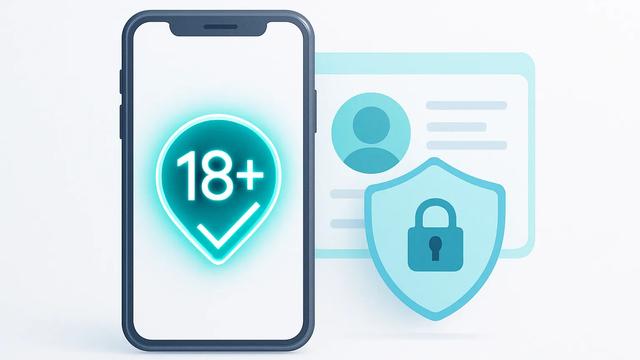
Selective disclosure can let someone prove they are old enough for an online service without sending a copy of a passport or driver’s licence. It offers a possible middle ground as age-assurance rules collide with concerns about routine identity collection.
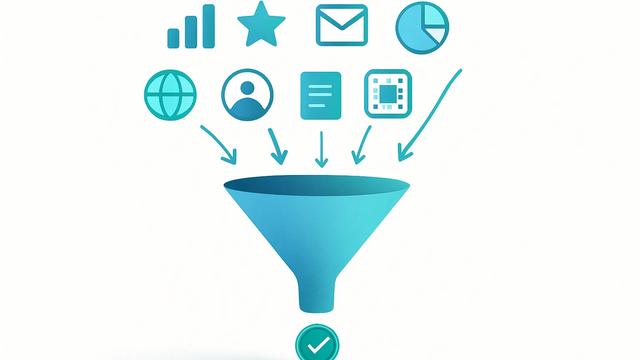
Identity verification systems do not need to become permanent archives of passports, selfies and address records. Data minimization can reduce privacy and breach risk while preserving the evidence needed for a specific decision.
Illinois' Biometric Information Privacy Act has made face, fingerprint and voice data a major litigation risk. Its influence now reaches far beyond the state, even as US biometric rules remain fragmented.
 Privacy