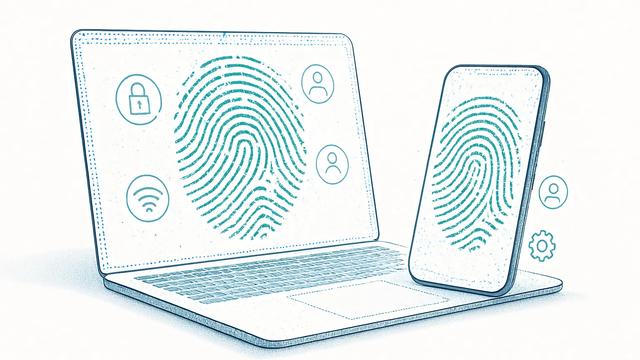
Device fingerprinting can help identity systems recognise patterns across sessions without relying on cookies. Its value lies in risk assessment, not in proving who is behind a screen.
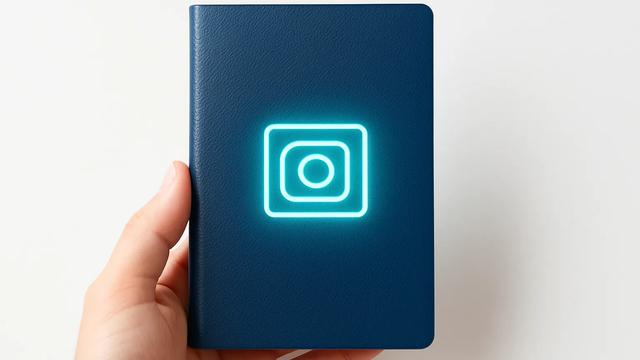
Most passports issued in recent years are biometric, but the quickest way to tell is not the photo page. Look for the small international chip symbol on the cover and understand what it can, and cannot, verify at the border.
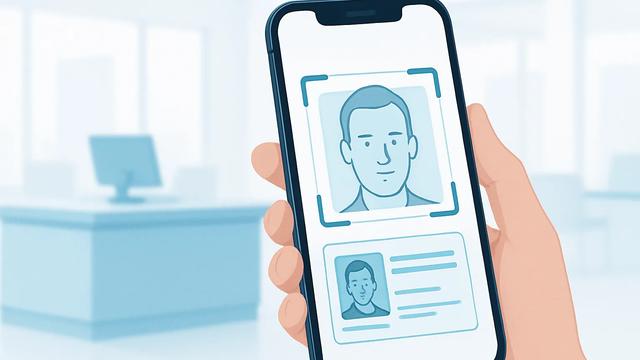
Electronic know-your-customer, or eKYC, has shifted account opening from the branch counter to a smartphone screen. Its spread reflects not only better software, but also the identity infrastructure and laws that make remote verification possible.
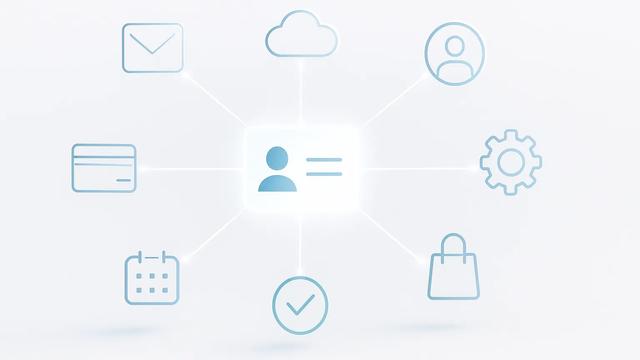
Reusable identity promises to let people prove facts such as age, address or professional credentials without repeatedly handing over documents. The model could reduce fraud and friction, but it also raises hard questions about interoperability, privacy and who controls the wallet.
I have watched age verification become one of the biggest operational questions facing adult platforms, but I also see another strategy developing alongside verification technology.
Transaction monitoring is central to anti-money-laundering compliance, yet its alerts are often noise. The challenge for banks is to detect genuinely suspicious activity without overwhelming investigators or missing the cases that matter.
Adverse media screening can help regulated firms identify customers associated with credible reports of crime, misconduct or regulatory breaches. Its central challenge is legal and operational: an allegation is not a conviction, and a name match is not an identity match.
Proof of address is used to connect an applicant to a location, but the documents that satisfy the request vary by institution and use case. It can be a practical hurdle for people whose names do not appear on household bills or formal records.
Liveness detection is designed to distinguish a person standing in front of a camera from a fraudulent representation of that person. Its value depends on the attack it is built to detect, the way it is tested and the controls around the camera feed.
I have watched live streaming develop from a collection of individual platforms into a much larger entertainment industry where discovery matters almost as much as the performances themselves.
Mobile driver's licences are moving from pilot programs toward practical use, but a shared technical standard has not yet produced universal acceptance. ISO 18013-5 gives issuers and readers a secure way to exchange credential data, while leaving major operational and privacy questions unresolved.
Near-field communication lets a phone inspect the signed data inside an electronic passport, adding a cryptographic check to remote identity verification. It can materially improve document assurance, but it does not eliminate operational and coverage gaps.
 Technology