Is My Passport Biometric?
Most passports issued in recent years are biometric, but the quickest way to tell is not the photo page. Look for the small international chip symbol on the cover and understand what it can, and cannot, verify at the border.
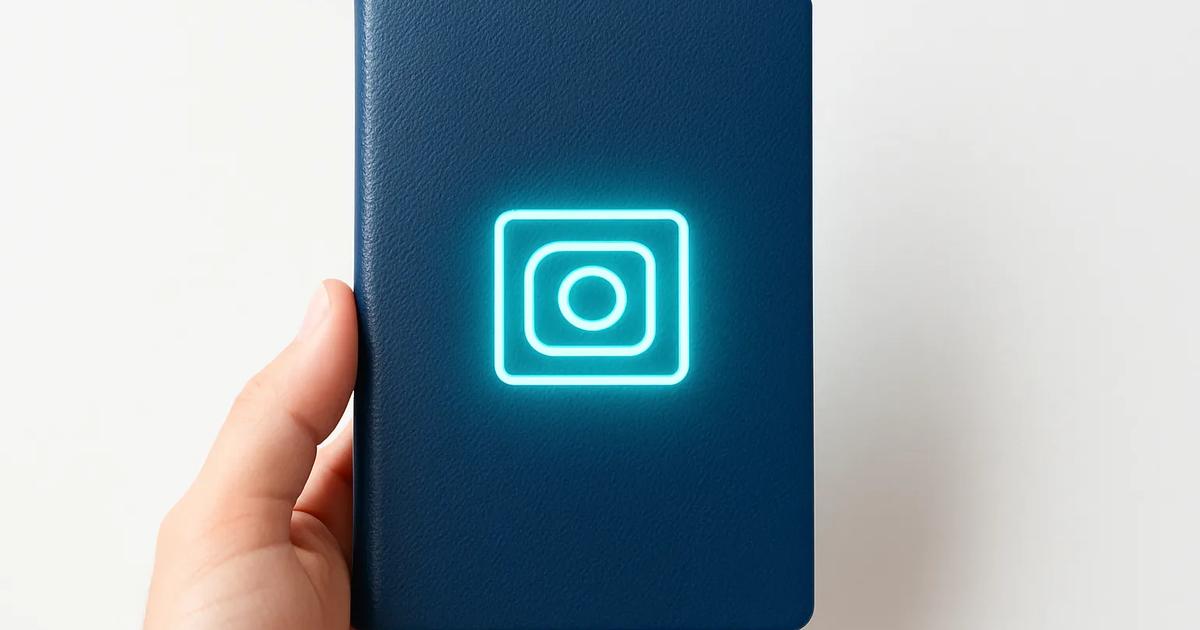
A biometric passport, often called an e-passport, is a normal passport booklet with a contactless computer chip built into its cover. For most travellers, it changes little about the trip until they reach an automated border gate or an officer places the booklet on a reader.
The word “biometric” can sound more intrusive than it is. The chip is primarily designed to help border authorities confirm that the passport and its photo data are genuine, and to compare the traveller with the document. It is not a tracker, and it is not a record of everywhere its holder has travelled.
The quickest way to identify one
Check the front cover. A biometric passport carries the International Civil Aviation Organization, or ICAO, electronic passport symbol: a small rectangle with a circle at its centre and short lines above and below. It is usually printed near the bottom of the cover, though its exact placement varies by issuing country.
That symbol is more reliable than judging a passport by its issue date or by whether it works at an airport e-gate. Many countries have issued chip-enabled passports for years, but old stock, emergency documents and some temporary travel documents may not contain a chip. If the symbol is absent, the booklet is generally not an ICAO biometric passport.
What is on the chip
The chip normally contains the information printed on the passport’s photo page: the holder’s name, date of birth, nationality, passport number, issuing state, expiry date and the machine-readable data used by border systems. It also contains a digital facial image, which supports facial matching at a gate or inspection desk.
Some issuing states also place fingerprint templates or images on the chip. Their use is more restricted than basic passport data and depends on the country that issued the document and the border authority reading it. Not every border crossing takes fingerprints, and a fingerprint stored by one government does not mean every airline or foreign border agency can routinely access it.
- The chip includes a digital version of core identity data from the photo page.
- It normally includes a facial image for identity checks.
- It may include fingerprints in some countries.
- It does not store entry and exit stamps, travel history, hotel stays or a live location.
What a successful chip read does not prove
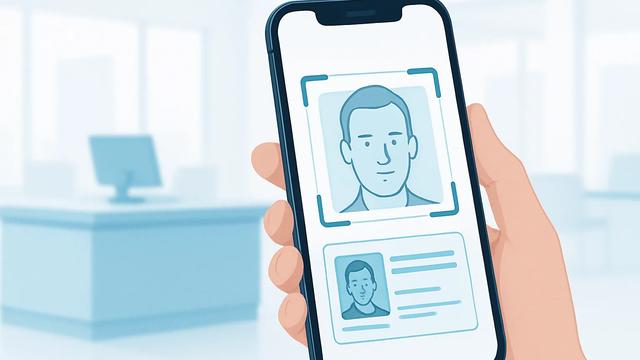
A chip read is an important document-security check, but it is not a complete verdict on a traveller or a trip. Border systems can verify cryptographic signatures, meaning digital checks that help show the chip data were issued by the stated passport authority and have not been altered. They can also compare the face at the gate with the passport image.
But the chip alone does not decide whether someone may enter a country. It does not establish a visa, eligibility for admission, the purpose of travel or whether a separate border database contains an alert. Nor does it by itself prove that the person presenting the booklet is its lawful holder. That is why officers may ask questions, inspect the physical document and make additional checks even after an e-gate opens.
If the gate cannot read your passport
A failed e-gate read is common enough and is usually a process problem, not an accusation. The booklet may be held at the wrong angle, its cover may not sit flat on the reader, the chip antenna may be damaged, or the gate may have trouble reading the face image. A worn passport, a wet cover and a malfunctioning reader can all contribute.
In practice, the gate may ask the traveller to try again, direct them to a staffed lane, or refer them for a manual inspection. An officer can inspect the printed photo page and physical security features, try another reader and conduct normal entry checks. A chip failure can mean the traveller cannot use automation, but it does not automatically invalidate an otherwise genuine passport or mean entry will be refused.
An e-gate is an optional automated screening channel, not the sole test of whether a passport is valid or a traveller can be admitted.
Privacy: contactless does not mean open to anyone
E-passport chips use near-field communication, the same short-range technology used for some contactless cards, but they are not meant to broadcast readable identity data to passers-by. Access controls require a reader to be close to the passport and, in common implementations, to obtain information from the machine-readable zone on the photo page before reading protected chip data. Newer passports may use stronger protocols such as Password Authenticated Connection Establishment, known as PACE.
Those safeguards do not eliminate every privacy concern. Border agencies can retain information collected during an inspection under their own laws and policies, and travellers should treat passports as sensitive documents. Still, the chip is not continuously transmitting a person’s identity or travel movements. Keeping the booklet secure and reporting loss or damage promptly remain the practical basics.