Injection Attacks: When Fraudsters Bypass the Camera Entirely
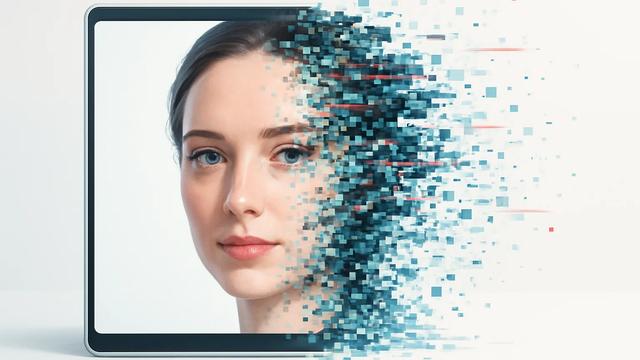
Injection attacks bypass the phone or webcam at the center of remote identity verification. Rather than presenting a fake face to a lens, fraudsters can feed prepared imagery directly into the software path meant for a live capture.
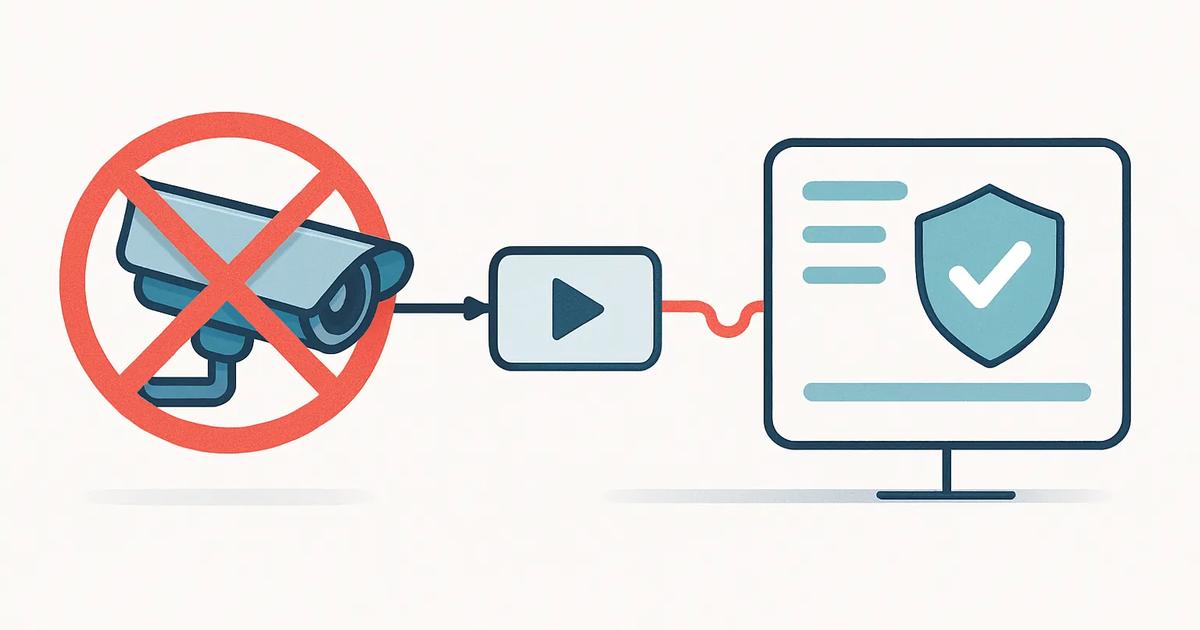
A growing class of identity fraud does not try to fool the camera. It bypasses the camera entirely. Known as an injection attack, the technique delivers a pre-made image or video stream into a remote identity verification process so that the service receives what appears to be a legitimate capture.
The risk matters because remote onboarding has become a standard part of electronic know-your-customer, or eKYC, checks in banking, payments, telecoms and other regulated services. These flows commonly ask an applicant to photograph an identity document and complete a face capture or short selfie video. They were designed in part to stop impostors from opening accounts at scale. Injection attacks test an assumption underlying many of those systems: that the image being assessed actually came from the device camera.
A different threat from presentation attacks
A presentation attack is the more familiar form of biometric spoofing. An attacker holds a printed portrait, a screen playing a video, a mask or another physical artifact in front of a camera. Liveness detection, also called presentation attack detection, looks for evidence that a real person is present during the capture. Depending on the product, it may assess motion, facial texture, reflections, depth cues or responses to prompts.
Injection attacks operate at a different point in the process. Instead of placing an artifact in front of the lens, an attacker attempts to substitute a prepared image or video stream before it reaches the identity verification software. This can involve a virtual camera, a manipulated application environment or interception of the software interface that passes capture data between components. The important distinction is that the verifier may receive a technically valid video file or frame sequence without any corresponding physical camera event.
That distinction changes the security problem. A high-quality image of a real person, or a synthetic video made to resemble one, can be delivered with clean lighting, stable framing and none of the artifacts that a screen replay might create. The attacker is no longer constrained by what a physical camera can observe.
Why basic liveness checks can fail
Basic liveness checks are valuable against ordinary replay attempts, but they are not necessarily designed to establish the provenance of a video stream. A passive liveness model, for example, may inspect a selfie video for signs of a photograph, display surface or generated imagery. If an injected stream looks sufficiently natural, the model can treat it as a live camera feed because it has no independent evidence to the contrary.
Active liveness, where an applicant is asked to turn their head, blink or follow an on-screen instruction, can raise the cost of fraud. Yet it is not a complete answer. A prepared or generated stream may be capable of matching predictable prompts, while a compromised client application could misrepresent the source of the resulting capture. The issue is not simply whether a face moves. It is whether the service can trust the device and capture path that reported that movement.
Defence requires evidence beyond the selfie
Providers increasingly treat injection resistance as a separate control from facial liveness. No single signal is decisive, particularly because legitimate users may rely on a wide range of devices, operating-system versions and accessibility tools. A layered approach can make substitution substantially harder while limiting unnecessary rejection of genuine applicants.
- Device attestation can help a service assess whether an app is running on an authentic, uncompromised device and operating environment. Attestation is not infallible, but it can identify conditions associated with tampering.
- Detection of virtual cameras, emulators and abnormal media frameworks can reveal that a claimed camera feed is being supplied by software rather than expected hardware. Controls should be calibrated carefully to avoid blocking legitimate enterprise or accessibility configurations.
- Cryptographic binding can associate capture data with a specific app session, device and time window. Properly designed, this makes it harder to reuse a valid recording or move media between unrelated sessions.
- Server-side signals can add context, including account behavior, network reputation, device consistency, document and selfie correlations, and patterns across repeated applications. These signals should support, not replace, clear fraud decisions and appeal processes.
Deepfakes increase the scale of the problem
The rise of consumer-grade face generation and video manipulation tools makes injection attacks more concerning. Deepfake media can provide an adaptable source stream, while injection can deliver that stream in a form that avoids many of the visual clues created when a display is filmed. Together, the techniques can support repeated attempts against remote onboarding systems without requiring a fraudster to appear on camera for each attempt.
That does not mean every synthetic image or failed liveness check represents organized fraud. Image quality varies, many attacks are still detectable, and robust verification programs already combine document authentication, biometrics and transaction monitoring. But the combination shifts the economics: fraudsters can iterate on digital content and test remote channels more easily than they can manufacture convincing physical props.
A broader question of trust
For organizations, the practical lesson is to test the entire capture chain, not only the accuracy of a liveness model. Security reviews should ask whether a mobile app can verify its own integrity, whether media source claims can be trusted, how failed or suspicious captures are handled, and whether higher-risk cases receive additional review.
For regulators and consumers, the challenge is balancing stronger assurance with privacy and access. Device signals and behavioral analysis can improve fraud detection, but they require transparent governance, data minimization and routes for legitimate users whose devices cannot meet every technical check. In the US and EU, those considerations sit alongside biometric privacy rules, data protection requirements and sector-specific identity obligations.
Injection attacks are a reminder that a convincing face is not the same as a trustworthy capture. As eKYC systems become more central to remote access, verification providers will need to prove not only that a selfie looks live, but that it originated where the system says it did.