Gig Platforms and Worker Verification: Who Is Really Behind the Account?
When a ride-hailing driver or courier account changes hands, the person completing the job may not be the person a platform screened. Closing that gap requires stronger checks, but those systems can also put legitimate workers at risk of error and opaque suspension.
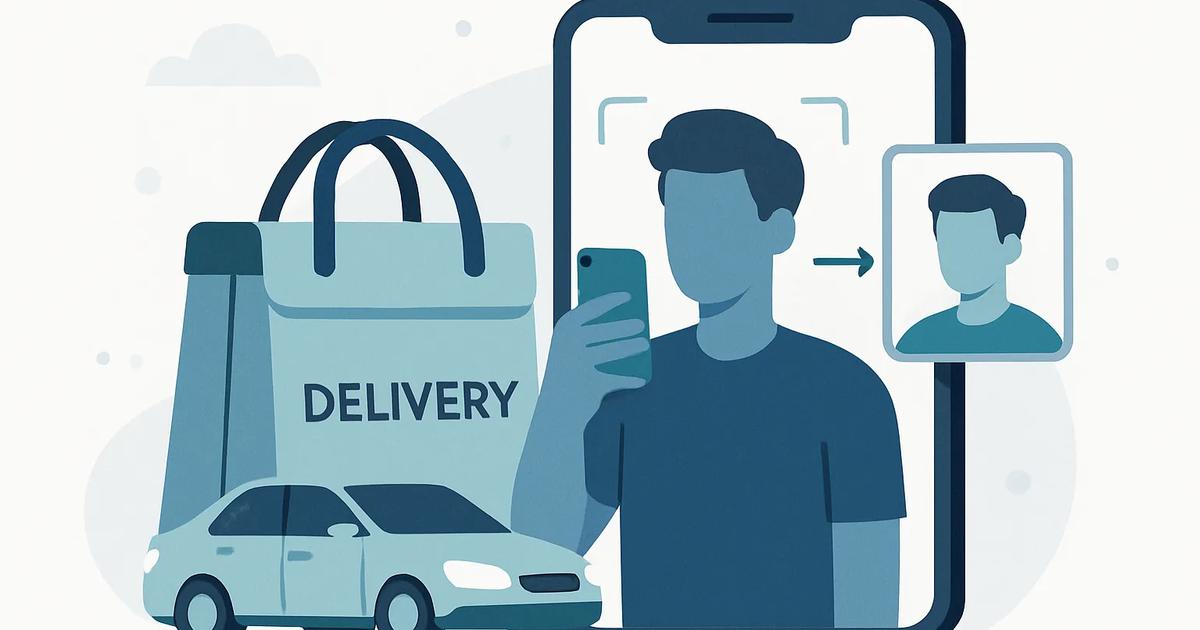
The account shown to a passenger or customer is meant to establish a simple chain of trust: the person accepting the ride or delivery is the person whose identity, driving record and, where required, criminal-history checks were reviewed at onboarding. In practice, that chain can break when accounts are shared within families, rented to newcomers, or sold through informal networks.
The issue has become a persistent operational and policy challenge for app-based transport and delivery services. Platforms depend on digital identity verification to decide who may work, while the work itself happens in cars, on bicycles and at doorsteps far from any supervisor. A profile photo and account credentials are not, by themselves, proof that the authorized worker is present.
Why account substitution matters
Account substitution is not one uniform practice. A worker may let a relative make deliveries during a temporary absence. In more organized arrangements, an account holder can charge another person for access to a platform. The person using the account may lack the documents, local work authorization, vehicle approval or checks required by the platform. Motives can include barriers to formal onboarding, financial pressure and the value of an established account.
For riders and customers, the central concern is safety and informed choice. They may be given a name, vehicle description and photograph that do not match the arriving worker. If an incident occurs, investigators and insurers can face a less reliable record of who performed the work. Background screening, where it is used, applies to the approved account holder, not automatically to a substitute.
The practice also creates labor risks. People who rent accounts can be dependent on an intermediary who controls access to earnings, sets fees or threatens to withdraw the account. That can obscure responsibility for pay, taxes, insurance and working conditions. At the same time, not every mismatch indicates wrongdoing. A changed appearance, an outdated profile image or an identification error can produce a false alert.
Platforms turn to repeat identity checks
Many platforms now use periodic selfie re-verification, sometimes called a liveness check. A worker is asked to take a live selfie in the app, and software compares it with the onboarding image while attempting to determine that the submission is from a real person rather than a photograph, recording or manipulated image. Requests may occur at intervals or after signals such as a device change, unusual location pattern or customer report.
Document checks are another layer. Platforms may ask workers to renew an expiring driver's license, upload proof of vehicle eligibility, or submit identity documents when an account is created or reviewed. These measures can make casual account sharing more difficult, particularly when they are combined with in-person support or manual review for disputed cases.
- Selfie checks seek to confirm that the approved account holder is currently using the app.
- Document reviews can confirm that licenses and identity records remain current.
- Human review and clear escalation routes are important when automated systems flag a legitimate worker.
These controls have limits. Facial comparison can be affected by camera quality, lighting, network access, changes in appearance and errors in the reference image. Sophisticated fraud can also adapt. A check conducted only occasionally may not catch every handoff, while more frequent prompts can interrupt work and shift the burden of proving identity onto workers.
Due process and privacy remain contested
Workers and labor advocates have raised concerns that identity systems can reject valid selfies or documents without a meaningful explanation. A temporary lockout can immediately cut off income. Where a platform deactivates an account following repeated failed checks, the consequences can be more serious, especially if the worker cannot reach a person, obtain the evidence behind the decision, or appeal promptly.
There are also privacy questions. Face images are sensitive personal data under the European Union's General Data Protection Regulation, and biometric information can receive additional protection under some US state laws. Whether a particular selfie system creates biometric data in a legal sense can depend on how the provider processes and stores it. Workers need understandable notice about what is collected, why it is used, how long it is retained, who receives it and how decisions can be challenged.
A proportionate verification model
The policy objective is not difficult to state: the person using a work account should be the person the platform approved. The harder question is how to enforce that rule without treating every worker as a suspected fraudster or allowing automation to become the final decision-maker.
A credible approach combines proportionate repeat checks with accessible support, rapid review of lockouts and records that can be examined after an incident. It should distinguish a one-off technical failure from evidence of deliberate account transfer. For platforms, regulators and insurers, better identity assurance can strengthen safety and accountability. For workers, its legitimacy will depend on accuracy, transparency and a real chance to correct mistakes.