Telehealth and Patient Identity: Verifying Who Is on the Other End
Telehealth can widen access to care, but it also makes it harder to know who is receiving treatment. Providers must balance fraud controls with verification paths that do not exclude patients who need remote care most.
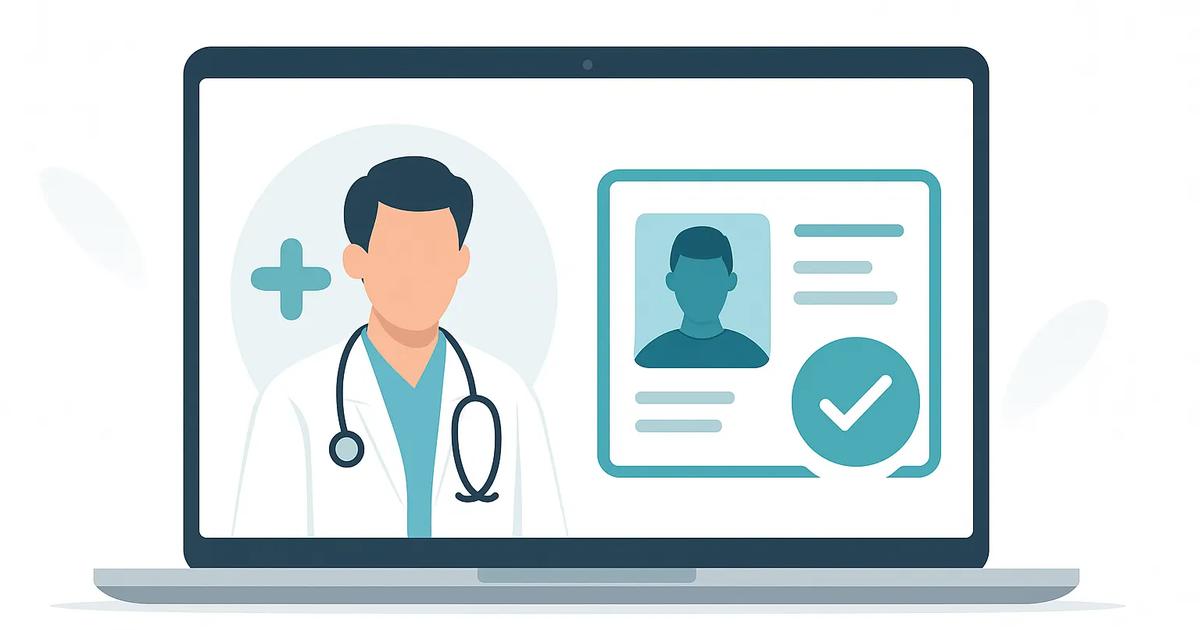
A video visit begins with a basic question that is easy to overlook: is the person on screen the patient named in the appointment and clinical record? In telehealth, the answer affects more than account security. It can determine whether a prescription reaches the right person, whether a clinician relies on the correct history, and whether an insurer pays the appropriate claim.
Remote care has made identity verification a clinical and operational issue, not just an administrative one. Health systems, telehealth platforms, pharmacies and insurers are adapting controls that were once handled in person at a reception desk. The challenge is to establish enough confidence in identity without making legitimate patients abandon care because the process is too complex or inaccessible.
Why identity matters before and during a visit
Patient identity underpins the connection between an individual, a medical record and a course of treatment. If that connection is wrong, a clinician may see another person's allergies, diagnoses, test results or medication history. A record mix-up can lead to inappropriate advice or missed warning signs, particularly when care is urgent or involves multiple providers.
Prescribing raises the stakes. Rules differ by medicine, care setting and jurisdiction, but remote prescribing can be attractive to people seeking drugs under a false or stolen identity. Providers may need confidence that the patient is who they claim to be, while pharmacies need reliable information to dispense medication and flag suspicious activity.
Identity also sits behind billing. An insurance claim generally links care to a member or beneficiary. Weak account controls can enable fraudulent visits or services billed under another person's coverage. In the United States, these concerns intersect with healthcare privacy and fraud requirements. In Europe, providers must also consider data protection obligations and national healthcare identity systems where applicable. The practical methods vary, but the underlying problem is shared.
The risks are not limited to false accounts
Prescription fraud is the most visible concern, but it is only one category. Medical identity theft occurs when someone uses another person's personal or insurance information to obtain care, medicines or benefits. Victims can face bills and administrative disputes, but the more serious consequence may be inaccurate information entering their health record.
There are also less deliberate failures. A parent may use a family member's logged-in account, a patient may join a visit with a shared device, or registration staff may match records using similar names and dates of birth. Remote workflows can remove visual cues and in-person document checks that might otherwise catch these mistakes. A strong system therefore looks for both intentional impersonation and ordinary matching errors.
- Prescription fraud or inappropriate access to regulated medicines.
- Medical identity theft involving insurance details, personal data or an existing patient portal account.
- Duplicate or mismatched records that give clinicians incomplete or incorrect histories.
- Billing and claims disputes when a visit cannot be reliably linked to the covered patient.
A layered approach to verification
Many organizations use identity proofing at sign-up. Identity proofing is the process of establishing that a new account belongs to a real person and, where needed, linking that person to a known patient record. It may combine information already held by a provider with checks against reliable sources, confirmation of contact details, or a review by staff.
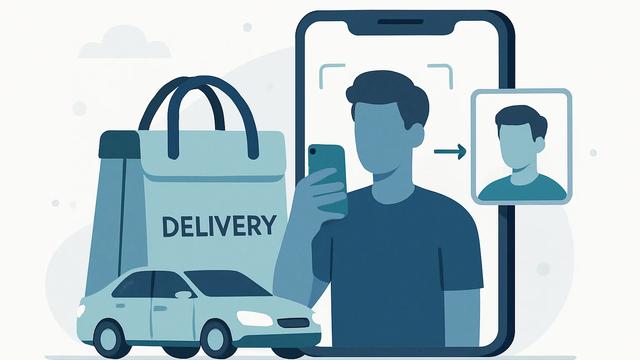
For higher-risk services, platforms may ask a patient to photograph a government-issued identity document and take a selfie. Software can compare the portrait with the selfie and assess whether the image appears to be from a live person rather than a photograph, replayed video or synthetic media. These tools can reduce some forms of impersonation, but they are not infallible. Poor lighting, camera quality, name changes, aging and uneven performance across demographic groups can produce false failures.
Not every interaction warrants the same friction. A low-risk follow-up, general health education session or scheduling request may call for lighter checks, such as a verified email, a one-time code or confirmation of existing account details. A request involving a new patient, sensitive records, controlled medicines or a significant change to personal information may justify stronger verification or manual review. The key is matching the assurance level, meaning the confidence required in a person's identity, to the risk of the action.
Access cannot be an afterthought
App-based document and selfie checks can be difficult for older adults, people with disabilities, people with limited digital literacy and patients without current smartphones, stable broadband or government photo identification. Some patients may have conditions that make facial capture, reading instructions or using a touch screen difficult. Others may reasonably hesitate to upload identity documents to a new service.
A telehealth provider that treats a smartphone selfie as the only route to care risks creating a new barrier at the front door. Accessible alternatives can include staffed phone support, secure document review, in-person verification at an affiliated clinic, use of an established patient relationship, or help from an authorized caregiver within appropriate consent and privacy safeguards. Alternatives need their own controls, but they can prevent fraud prevention from becoming care denial.
Designing for trust and proportionality
The most durable telehealth identity programs are likely to combine technical controls, clinical judgment and clear escalation paths. They should tell patients what is being collected, why it is needed and what happens if an automated check fails. They should also minimize the collection and retention of identity data, since copies of IDs and biometric information can create security and privacy risks of their own.
As remote care becomes a routine part of healthcare delivery, identity verification will remain a moving target. The objective is not to eliminate every risk, which is unrealistic, but to make impersonation and record errors harder while preserving a practical route to care for patients who cannot navigate a demanding digital process.